Home / Articles
What Is Rejuran Skin Booster? Seoul 2026 Guide
Home / Articles
What Is Rejuran Skin Booster? Seoul 2026 Guide
You've perfected your ten-step Korean skincare routine. You've tried the serums, the sheet masks, and the vitamin C. But if you're still seeing fine lines, dull skin texture, or early skin laxity you can't correct topically there's a reason Korean dermatologists are one step ahead, and it's called what is Rejuran skin booster.
The frustration is real. You research late into the night, scrolling through Reddit threads and Korean beauty forums, only to discover that Rejuran — the treatment every Seoul-based influencer and Korean beauty enthusiast raves about isn't available as an injectable in the United States. The question that follows is natural and urgent: Why not? Is it because it's not safe? The answer is more nuanced than a simple yes or no. Rejuran is approved by the MFDS (Korea's Ministry of Food and Drug Safety) and CE-certified in Europe, meeting some of the world's strictest regulatory frameworks. It is not available by injection in the US due to regulatory pipeline differences, not safety concerns. The FDA approval process for new injectable categories takes years and significant investment a timeline issue, not a credibility issue.
At PLANEW Clinic in Seocho-gu, Seoul, Dr. Daewoo Ko and Dr. Seungyeon Yeo have built a 1:1 personalized consultation model that delivers customized Rejuran protocols not the standardized, high-volume approach common in factory clinics. This guide reflects their clinical approach directly, offering you the clarity you need to make an informed decision about whether this treatment is right for you.
At its foundation, what is Rejuran skin booster comes down to one active ingredient: polynucleotides (PN), specifically polydeoxyribonucleotides (PDRN) derived from purified salmon DNA. These PN fragments are biocompatible meaning your skin recognizes them as safe rather than foreign and they trigger a specific cascade at the cellular level. When injected into the dermis, PN particles signal dormant fibroblasts (collagen-producing cells) to activate and begin synthesizing new collagen and hyaluronic acid.
This distinction is critical for understanding why Rejuran operates in an entirely different category from traditional fillers. Hyaluronic acid fillers work through volume replacement they physically occupy space beneath the skin to smooth lines and restore lost volume. Rejuran works through regeneration it teaches your skin cells to rebuild themselves from within. You're not adding foreign material; you're triggering your own biology to restore what time and environmental damage have depleted.
The clinical evidence for this mechanism is robust. Polynucleotide therapy has been documented in peer-reviewed studies showing measurable improvements in skin elasticity, wrinkle depth, and overall facial appearance. PDRN's biocompatibility allows it to persist long enough to signal fibroblasts without triggering inflammatory rejection a balance that makes it uniquely effective for skin regeneration applications.
Rejuran comes in several formulations, each optimized for different skin concerns and patient preferences. Understanding the variants available at PLANEW Clinic helps you and your physician determine which is the right fit for your individual skin condition.
The critical expectation to set: results build over 4–8 weeks, not overnight. Rejuran is not a filler. You will not wake up the next morning with noticeably smoother skin. Instead, the fibroblasts activated by the PN injection begin synthesizing collagen, and this process accelerates over the first month, peaks around weeks 4–6, and then consolidates into lasting improvement. Most patients report visible improvement in skin texture and that coveted "glow" around the 3–4 week mark visible enough to notice in photos and in skin feel, but gradual enough to avoid the "something happened to her face" effect that can accompany injectable procedures.
Dr. Seungyeon Yeo explains the mechanism this way: "Rejuran works with your skin's own biology we're not adding volume from outside, we're triggering your skin cells to regenerate from within. The results look naturally healthy because they are naturally created." This philosophy working with rather than against your skin's inherent biology defines the clinical approach at PLANEW Clinic.
You might be wondering: Is 34 too young for a regenerative injectable like Rejuran? The answer is no. In fact, the preventive logic of early treatment is validated clinically. Rejuran is effective for patients noticing the first signs of fine lines, mild texture irregularities, dull or dehydrated skin, or that early loss of glow that shows up prominently in photos even when you can't quite see it in the mirror. The age range for ideal candidacy spans from the late 20s through the 50s, with the treatment becoming increasingly beneficial as collagen depletion accelerates with age.
For a patient like you 34, with good baseline skin health but noticing early texture changes Rejuran represents a smart preventive investment. You're not waiting until your skin has significant damage; you're intervening at the inflection point where topical approaches reach their ceiling and injectable regeneration becomes the logical next step.
Skin Concern | Is Rejuran Right for You? |
|---|---|
Fine lines and early wrinkles | ✅ Yes — primary indication |
Dull, dehydrated skin | ✅ Yes — strong hydration effect |
Enlarged pores | ✅ Yes — pore refinement benefit |
Acne scarring (mild to moderate) | ✅ Yes — with appropriate protocol |
Active acne or open wounds | ⚠️ Wait for resolution — consult Dr. Ko |
Pregnancy or breastfeeding | ❌ Not recommended |
The table above captures the most common eligibility questions, but individual cases always warrant consultation with your physician. If you have active acne, healed acne scarring can absolutely be treated with Rejuran, but active inflammation should resolve first to minimize complication risk.
This question appears frequently in international patient consultations, and the answer is unambiguous: Rejuran polynucleotides are biocompatible and skin-tone neutral. The mechanism of fibroblast activation and collagen synthesis does not discriminate by Fitzpatrick scale. Melanin production in deeper skin tones does not interfere with the treatment mechanism or compromise results.
What does vary is injection technique calibration. Different skin thicknesses and structural characteristics may warrant adjusted injection depth or spacing patterns. This is precisely why PLANEW Clinic conducts a 3D skin analysis for every patient, regardless of ethnicity. The analysis tells Dr. Ko and Dr. Yeo your actual skin condition hydration depth, elasticity levels, texture patterns independent of your skin tone. Your ethnicity or skin tone doesn't change the treatment indication; your individual skin biology does.
PLANEW Clinic has treated international patients across the full Fitzpatrick scale range, with consistent, measurable results documented in pre- and post-treatment 3D imaging. Dr. Daewoo Ko states: "At PLANEW Clinic, we begin every Rejuran consultation with a 3D skin analysis that tells us your actual skin condition hydration depth, elasticity levels, texture patterns. Your ethnicity or skin tone doesn't change the treatment indication; your individual skin biology does."
After the analysis is complete, Dr. Daewoo Ko or Dr. Seungyeon Yeo reviews the findings directly with you in a private consultation room. You see your skin data displayed in three-dimensional imaging. You understand exactly what the analysis revealed about your skin health. You discuss your treatment goals, any previous experience with injectables, and your specific concerns. This is 1:1 consultation never delegated to a sales consultant or junior staff member.
Contrast this with the factory clinic model common in high-volume Seoul clinics: consultation is often conducted by non-medical sales staff, injection volume is standardized across all patients regardless of individual skin condition, and the physician may spend only minutes with you before administering a predetermined protocol. At PLANEW Clinic, the analysis and consultation together typically require 45–60 minutes.
Comfort is a priority. Topical numbing cream is applied to the treatment area for a minimum of 30–40 minutes before any injection is administered. This extended numbing period is critical it transforms the sensation from uncomfortable to manageable for most patients. Rejuran Classic, without Lidocaine, does require adequate numbing to prevent significant discomfort during injection.
If you have lower pain tolerance or know that you respond poorly to needles, discuss this in your initial consultation. Rejuran HB+ (with Lidocaine) is available as an alternative and provides both reduced injection discomfort and additional hydration benefit.
Once numbing is complete, your skin is gently cleansed and the treatment area is mapped based on the 3D analysis findings. The mapping ensures precision injections will target the specific areas where your skin biology indicates treatment is most beneficial.
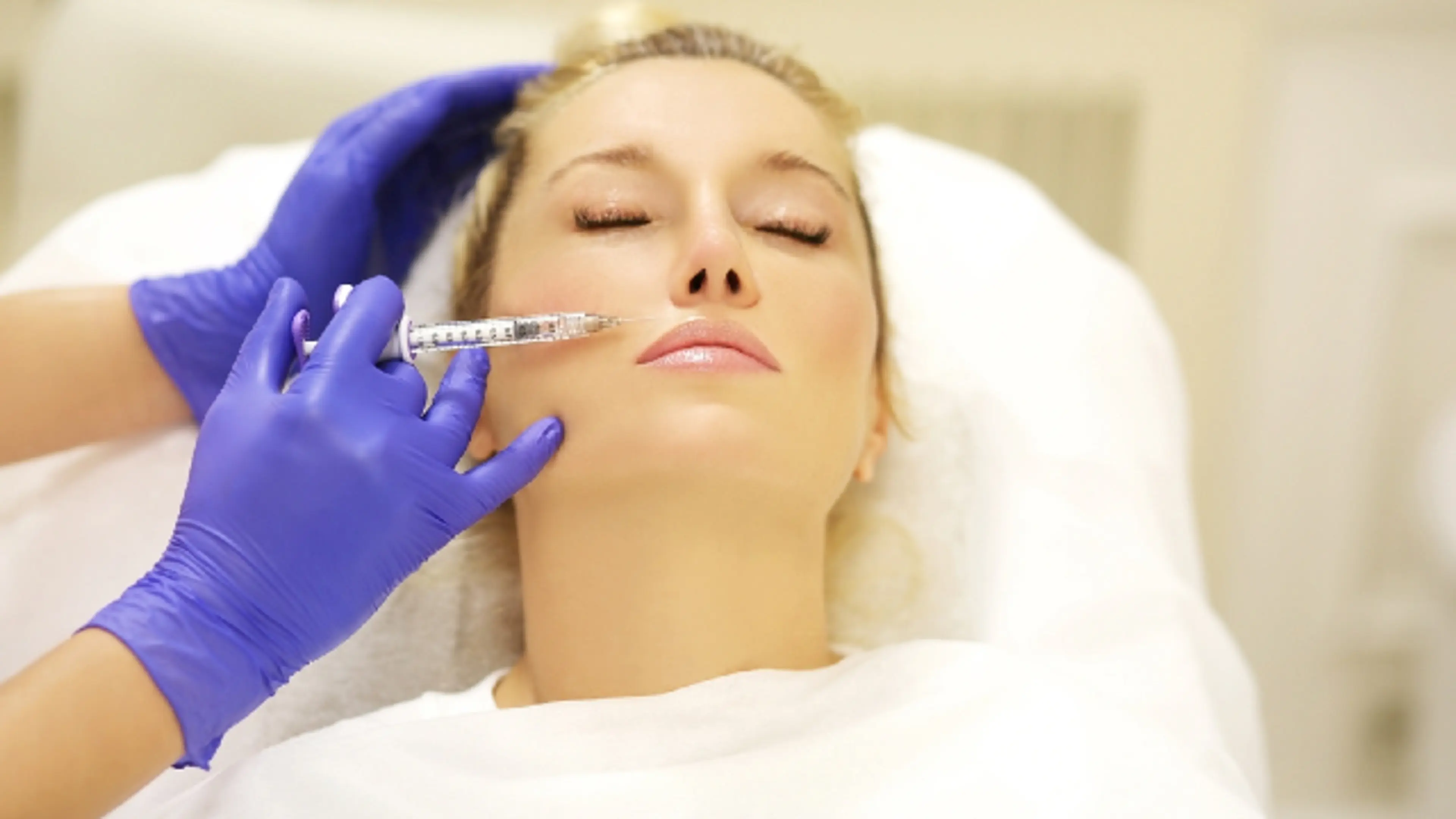
The actual injection process uses fine-gauge needles administered in a precise grid pattern across the treatment area. A typical session duration ranges from 30–60 minutes depending on the treatment area size and whether you're combining Rejuran with other treatments like skin Botox or HIFU Lifting.
Injection depth targets the dermis the middle layer of skin where fibroblasts reside distinct from superficial topical application (which cannot reach fibroblasts effectively) and deep filler placement (which is unnecessary for regenerative polynucleotides). With adequate numbing, you'll experience mild pinching or tingling sensation; significant pain should not occur.
If combining treatments in a single session for example, Rejuran plus skin Botox for a comprehensive rejuvenation protocol discuss the sequencing with Dr. Ko during your consultation. The combination approach is available at PLANEW Clinic and significantly enhances the glass-skin effect for many patients.
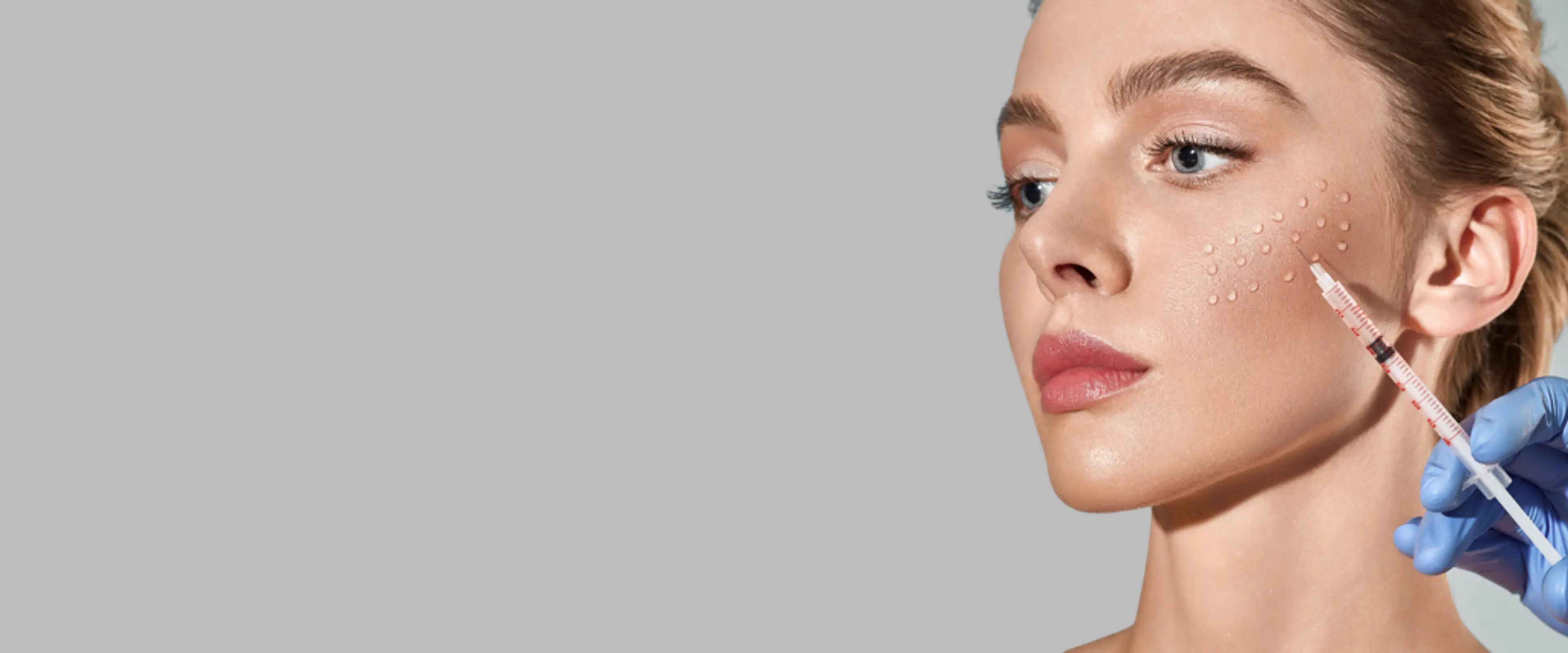
Immediately after injections are complete, small raised dots or "mosquito bite" bumps appear at the injection sites. This is completely normal and resolves within 2–6 hours. Mild redness and swelling are expected for 12–24 hours post-treatment.
Before you depart, PLANEW Clinic provides post-treatment soothing care typically a calming mask or cooling treatment to minimize immediate swelling and redness. Post-treatment aftercare instructions are delivered in English, both verbally and in written form, so there is no ambiguity about what you should and shouldn't do over the next 48 hours.
The standard recommendations: avoid heavy exercise, steam rooms, and direct sun exposure for 48 hours post-treatment. These precautions minimize inflammation and allow the skin to begin its regenerative response without additional stress. After 48 hours, you can return to normal activities.
Dr. Daewoo Ko explains the clinical reasoning behind the 3D analysis: "The 3D skin analysis isn't just a formality it changes what we prescribe. A patient who looks like she needs standard hydration might actually show us significant elasticity loss that changes which Rejuran variant and dosage we recommend."
This is the question that keeps research-driven patients awake. If Rejuran is safe and effective, why can't you get it in New York or Los Angeles? The answer deserves clarity because it directly impacts your safety calculus.
Rejuran is not FDA-approved for injectable use in the United States. This fact is true and important. What is equally true and equally important: this reflects the FDA's lengthy, expensive approval process for new injectable categories, not a safety determination about the product itself. The FDA approval timeline for a new therapeutic category (in this case, polynucleotide-based skin regeneration therapy) typically spans 5–10 years and requires millions of dollars in clinical trial funding, regulatory documentation, and manufacturing oversight. Most innovative aesthetic treatments used safely in Europe and Asia take significantly longer to receive FDA approval than they take to develop clinically.
The regulatory approvals Rejuran does hold are substantial. It received full approval from the MFDS (Ministry of Food and Drug Safety, South Korea), meeting the regulatory standards of Korea's FDA equivalent. It is CE-certified in Europe under the strict European Medical Device Regulation (MDR), which requires clinical evidence, biocompatibility testing, and post-market surveillance. These are not rubber-stamp approvals; they reflect rigorous regulatory scrutiny.
The clinical evidence base supports safety and efficacy. Polynucleotide therapy has been published in peer-reviewed journals including PMC-indexed publications, demonstrating measurable improvements in skin texture, wrinkle depth, and facial appearance. The mechanism is well-understood at the cellular level, and adverse event rates in clinical practice are low with proper administration by trained physicians.
An analogy that resonates with research-driven patients: Many effective medical treatments used routinely in Europe certain biologics, advanced laser therapies, innovative injectables take 5–10 years longer to reach FDA approval than they take to reach clinical maturity in other developed nations. Regulatory lag reflects bureaucratic process timelines, not clinical evidence.
Your safety in Seoul depends on three factors: the quality of the product being injected, the credentials of the physician administering it, and the clinic's protocols for managing any complications.
PLANEW Clinic sources only MFDS-approved Rejuran formulations from the original manufacturer not grey-market, counterfeit, or unverified products. This matters because counterfeit injectables represent a real risk at non-credentialed clinics, particularly in high-volume tourist areas of Seoul. PLANEW Clinic's supply chain is verified and documented.
All procedures are performed by licensed Korean aesthetic physicians Dr. Daewoo Ko, Dr. Seungyeon Yeo, and Dr. Jeonghyun Kang all of whom hold credentials in aesthetic medicine and maintain ongoing clinical education. Procedures are not delegated to nurses, technicians, or sales staff. The physician is responsible for the clinical decision, the injection protocol, and patient safety.
Post-treatment complication management extends beyond your Seoul visit. PLANEW Clinic provides virtual follow-up support for international patients who return to the United States via email and WhatsApp. Written aftercare instructions are provided in English. An emergency contact protocol is available if any unexpected concern arises after you've returned home.
The side effect profile of properly administered Rejuran is well-characterized: redness, mild swelling, small injection-site bumps, and occasionally minor bruising all expected and transient. Serious adverse events are extremely rare when administered by a trained physician using appropriate technique and dose.
Dr. Daewoo Ko addresses the FDA question directly: "Patients ask me all the time why Rejuran isn't available in the US. The honest answer is that the FDA approval process for a new injectable category takes years and significant investment it has nothing to do with whether the treatment is safe. Rejuran has been used safely in Korea for over a decade, with a comprehensive regulatory framework backing it."
Results from Rejuran are not dramatic in the first 48 hours; they are profound by week 6. Understanding the timeline helps you calibrate your expectations and recognize what is normal versus what warrants concern.
Timeframe | What's Happening | What You'll Notice |
|---|---|---|
Days 1–3 | Inflammation response, PN particles integrating | Mild redness, small injection bumps subsiding |
Week 1–2 | Fibroblast activation beginning | Improved hydration, skin feels plumper |
Weeks 3–4 | Collagen synthesis accelerating | Visible improvement in skin texture, reduced fine lines |
Month 2 | Peak collagen production phase | Noticeably firmer, more radiant skin; pores appear refined |
Months 3–6 | Results consolidating | Maximum texture improvement, skin "glow" most visible |
Months 6–12 | Maintenance phase | Results sustained; most patients return for top-up at 9–12 months |
This timeline is grounded in clinical practice observation, not marketing messaging. By week 3–4, most patients notice tangible skin texture improvement and that elusive "glow" that indicates healthy skin regeneration is underway. By month 2, the transformation is visible to others, not just to you. Results continue to refine through month 6 as collagen consolidates and the skin reaches its new baseline of health and resilience.
For first-time patients with your profile 34, noticing early fine lines and texture changes one well-administered Rejuran session can deliver meaningful improvement in hydration, texture, and early fine-line softening. You will see results; they will be noticeable and worth the investment.
For optimal, lasting, transformative results: Korean dermatologists typically recommend a course of three sessions spaced four weeks apart. The first session awakens dormant fibroblasts; the second builds on that activation; the third consolidates and maximizes the regenerative response. However, many international patients complete one or two sessions during a Seoul trip and maintain results with top-up visits six to twelve months later.
Rejuran is a cumulative treatment. Results build over multiple sessions. One session delivers visible improvement; a full course delivers transformation.
Many patients at PLANEW Clinic combine Rejuran with skin Botox in the same session a combination protocol that significantly enhances the glass-skin effect. Dr. Seungyeon Yeo particularly recommends this combination for patients in their early-to-mid 30s with good baseline skin health, as it addresses both texture regeneration (Rejuran) and early fine-line prevention (skin Botox) simultaneously.
Dr. Seungyeon Yeo shares her clinical perspective: "For a patient in her early-to-mid 30s with good baseline skin health, one well-administered Rejuran session at the right dosage will give her visible skin texture and hydration improvement that she will notice in photos within 3–4 weeks. I always tell patients: this isn't a filler you won't see it the day after. But in a month, you'll look back at your before photos and understand exactly what changed."
Cost is your #1 practical question, and transparency matters. Here is the full USD-denominated comparison, updated for Q2 2026 pricing:
Treatment | New York City (2026 est.) | PLANEW Clinic Seoul (USD) | Savings |
|---|---|---|---|
Rejuran Healer Classic (2cc, 1 session) | $500–$900 | ~$200–$350 | 50–65% |
Rejuran HB+ (2cc, with Lidocaine) | $600–$1,000 | ~$260–$450 | 55–65% |
Rejuran + Skin Botox (Combination) | $900–$1,500 | ~$350–$650 | 55–60% |
Rejuran + HIFU Lifting (PLANEW Package) | $4,500–$7,000 | ~$1,200–$2,200 | 65–75% |
These figures represent typical pricing in Manhattan and assume standard treatment areas. Individual pricing may vary based on specific clinic, provider credentials, and treatment scope. PLANEW Clinic pricing is current as of Q2 2026 and is subject to KRW/USD exchange rate fluctuations at the time of your visit. Always confirm exact pricing during your virtual consultation.
Several costs beyond the procedure itself should factor into your budget planning.
A realistic total cost model for a 3–5 day Seoul trip: round-trip flight from New York ($800–$1,100) plus accommodation ($70–$200 per night × 4 nights = $280–$800) plus PLANEW Clinic treatments ($500–$1,500) equals a total trip investment of approximately $1,580–$3,400 USD.
Compare this to equivalent treatments in New York: the same results would cost $3,000–$7,000+ in NYC, with longer wait times, higher clinic fees, and no vacation component included. For your financial profile informed, preventive-minded, willing to invest in quality the Seoul trip is not only clinically rational; it is financially intelligent. You receive superior personalized treatment, measurable cost savings, and a compelling travel experience in one of the world's most dynamic beauty capitals.
Combined, these three physicians perform 600+ procedures annually at PLANEW Clinic. Every Rejuran treatment is administered by a licensed physician not by a nurse, aesthetician, or technician. This is a meaningful distinction in a market where many high-volume clinics delegate injections to non-physician staff.
The term "1:1 clinic" is used loosely across Seoul's beauty industry. At PLANEW Clinic, it means something specific and operationally different from the factory clinic model.
The factory clinic contrast is stark: high-volume clinics apply standardized injection volumes and spacing patterns to every patient regardless of individual skin biology. They optimize for throughput and profit margins, not clinical outcomes. At PLANEW Clinic, the clinic model optimizes for results and patient experience, which necessarily limits daily patient volume but dramatically improves treatment quality.
Language is a practical concern for US patients traveling to Seoul. PLANEW Clinic addresses this directly with comprehensive English-language support.
English-speaking staff are available for consultation, treatment communication, and post-treatment instructions. Pre-arrival virtual consultation is available via Zoom or Google Meet you can discuss your skin concerns, treatment goals, and expectations before you book your flight. A pre-treatment questionnaire in English is available to complete before your Seoul arrival, streamlining your in-clinic appointment.
Post-treatment support extends internationally. Email and WhatsApp follow-up are available for US patients who return home after their procedures. Questions about recovery, concerns about results, or requests for virtual follow-up can be addressed rapidly typical response time during Seoul business hours is 2–4 hours. Instagram and email communication channels are active and monitored.
Before committing to flights and accommodation, schedule a virtual pre-consultation with the PLANEW Clinic team. This 20–30 minute consultation accomplishes several things: you discuss your specific skin concerns and goals, you review your current skincare routine and any previous treatment history, you receive a preliminary treatment recommendation, and you clarify any questions or concerns.
Virtual consultations are available via Zoom or Google Meet at times that accommodate US time zones. To request a consultation, reach out via WhatsApp, Instagram DM, or email (contact details below). Bring photos of your face in natural lighting, your current skincare routine written out if possible, and a list of specific skin concerns you want to address.
Once the virtual consultation is complete and your treatment plan is discussed and agreed upon, confirm your in-clinic appointment date directly with the PLANEW Clinic team. They will provide you with appointment options and help you coordinate timing that works with your travel schedule.
PLANEW Clinic is located in Seocho-gu, Seoul, and is easily accessible via subway (Gangnam-gu Office Station or Express Bus Terminal Station are the nearest transit hubs). Accommodation within 2–3 kilometers of the clinic in the Seocho-gu or Gangnam neighborhoods is recommended for convenience and post-treatment comfort — these areas offer boutique hotels, short-term rentals, and excellent restaurants ranging from budget-friendly to upscale.
Ready to take the next step? Here is how to reach the PLANEW Clinic team:
Rejuran is a polynucleotide-based skin booster derived from salmon DNA. Unlike traditional fillers that add volume, Rejuran triggers your skin's own fibroblasts to synthesize new collagen and hyaluronic acid. It's regenerative rather than volumizing you're not adding foreign material; you're stimulating your skin's natural collagen production from within.
Yes. Rejuran is MFDS-approved in Korea and CE-certified in Europe meeting some of the world's strictest regulatory standards. FDA approval reflects the timeline of America's regulatory process, not a safety determination. Many effective treatments used safely in Europe and Asia take longer to reach FDA approval. The clinical evidence supporting Rejuran safety is robust and well-documented.
Rejuran Healer Classic (1 session) costs approximately $200–$350 USD at PLANEW Clinic, compared to $500–$900 in New York a 50–65% savings. Add 10% for VAT. Pricing varies based on individual treatment needs and current KRW/USD exchange rates; always confirm exact pricing during consultation.
One well-administered session delivers visible skin texture and hydration improvement within 3–4 weeks. For optimal, transformative results, Korean dermatologists recommend three sessions spaced four weeks apart. Many international patients complete one or two sessions per Seoul trip and maintain results with top-ups 6–12 months later.
Results typically consolidate and peak around month 6, then remain stable for 9–12 months. Most patients return for a top-up session at the 9–12 month mark to maintain results. Unlike fillers that dissolve on a fixed timeline, Rejuran results depend on the longevity of the collagen you've stimulated your skin to produce often longer-lasting than traditional fillers.
Yes, you can typically fly home the day after. There are no absolute contraindications to air travel post-Rejuran. However, minimize direct sun exposure on your face during your flight, wear SPF 50+, and follow the standard 48-hour aftercare protocol (avoid steam rooms, intense exercise, and extreme heat). Minor swelling may still be visible, so plan accordingly if you have important meetings.
Mild redness and swelling are expected for 12–24 hours. Small injection-site bumps resolve within 2–6 hours. If you depart Seoul the next day, you may have light residual redness that is easily concealable with makeup or a mask during your flight. By day 2–3, most redness has faded. Plan accordingly based on your comfort level with post-procedure appearance.
Yes. PLANEW Clinic offers combination treatment protocols including Rejuran + Skin Botox and Rejuran + HIFU Lifting in a single session. These combinations are clinically effective and available. Discuss sequencing and individual protocols during your virtual pre-consultation.
Absolutely. Rejuran is an excellent entry point for first-time patients because the results are natural-looking, the recovery is minimal, and the mechanism is regenerative rather than artificially volumizing. Many first-time patients find Rejuran's gradual, authentic results more emotionally comfortable than traditional fillers.
Yes. Free virtual pre-consultations are available via Zoom or Google Meet to discuss your skin concerns, goals, and treatment options before you book your flight. This is strongly recommended for US patients planning their first Seoul beauty trip.
You now understand what Rejuran skin booster actually is and why the science behind it is clinically credible polynucleotide regeneration triggering your own collagen synthesis, not artificial volumizing. You understand why the FDA approval gap is not a safety concern but a regulatory timing reality reflecting the bureaucratic pace of America's approval process, not a clinical credibility issue. Most importantly, you understand what makes PLANEW Clinic's 1:1 model, 3D skin analysis, and physician-led Rejuran protocols the right environment for this treatment — a boutique clinic optimized for personalized results rather than high-volume throughput.
Dr. Daewoo Ko and Dr. Seungyeon Yeo have designed PLANEW Clinic's Rejuran protocols specifically for patients like you informed, research-driven, and unwilling to compromise on personalization or clinical quality. With 600+ annual procedures and a private, appointment-only model, this is not a factory clinic experience. This is clinical aesthetic medicine designed around your individual skin biology, not standardized around profit margins.